How this guide was prepared
SERVICEDIRECTORY reviewed the linked provider article and applied established building-acoustics principles, then organised the guidance around noise source, opening type, glass make-up, frame design, seals, installation quality, ventilation, and the performance of the complete assembly.
Evidence boundary: SERVICEDIRECTORY did not conduct an on-site acoustic test or independently verify a product rating. Ask the supplier for test data covering the complete proposed window or door assembly, and confirm that the stated metric and test conditions match the property's noise problem. Read our editorial policy.
Why a small gap can create a large acoustic weakness
Airborne sound follows open paths. A narrow gap around a sash, frame, meeting rail, or wall junction can noticeably reduce the benefit of heavy glass. If outdoor air, light, dust, or water can pass through an unintended opening, sound is likely using the same route.
Sealing work should begin with diagnosis rather than applying foam everywhere. Aluminium windows include drainage and pressure-equalisation details that must remain functional. Covering weep holes or trapping water can cause leaks and damage, while an oversized seal can prevent the window from locking properly.
Common leakage points
- Perished compression gaskets around casement or awning sashes.
- Worn pile or brush seals in sliding tracks and meeting stiles.
- Misaligned locks that do not pull the sash evenly against the gasket.
- Open frame joints, loose glazing beads, or deteriorated glazing seals.
- Cracks between the aluminium frame, sealant, plaster, and wall opening.
- Unsealed service penetrations or adjacent ventilation openings.
Compression seals usually work best where a hinged sash closes firmly against a gasket. Sliding products require movement, so they commonly rely on interlocks and pile seals rather than full compression. The replacement profile must match the channel, clearance, and operating force of the existing system.
A sensible inspection and repair process
Inspect during daylight and listen from several positions while the opening is closed. Check for visible gaps, loose handles, rattling panels, hardened rubber, missing brush seals, and cracked perimeter sealant. A qualified installer can assess alignment, drainage, hardware, glass retention, and whether damaged seals can be replaced without changing the frame.
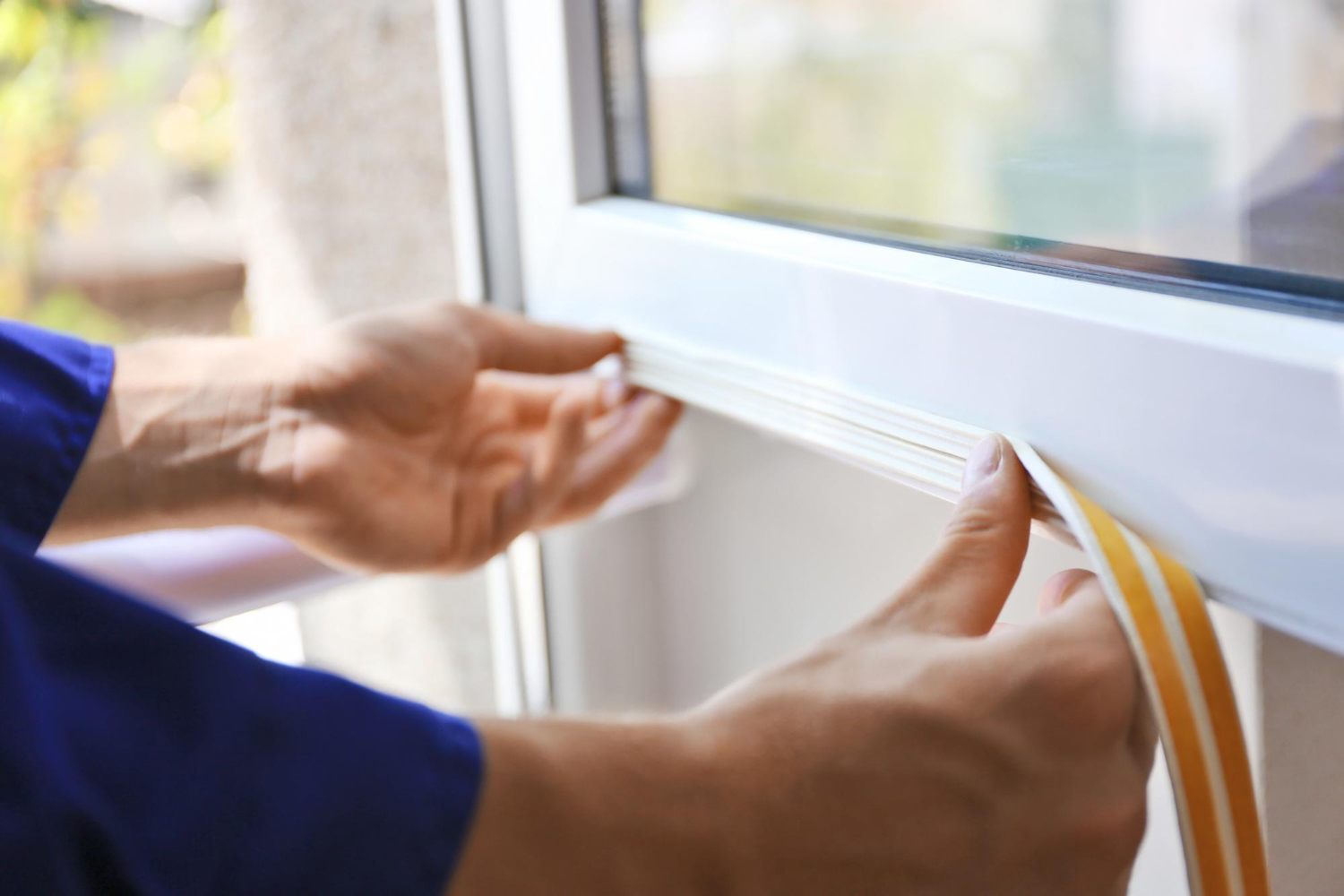
Self-adhesive weatherstrip can be useful on some simple, dry internal interfaces, but it is not a universal fix for exterior aluminium windows. Adhesive, material durability, compression, UV exposure, rain, and moving clearances all matter in Malaysia's climate.
See the full Malaysia guide to soundproof window systems when seal repairs alone cannot meet the required noise reduction.
When sealing helps and when replacement may be needed
Resealing can be worthwhile when the glass is adequate but seals are missing, worn, or poorly adjusted. It will not change the inherent acoustic weakness of a thin pane, loose sliding design, open louvre, or underperforming frame. Replacement may be more practical where frames are distorted, corroded, structurally unsuitable, or unable to carry the required glazing.
After repair, operate every window, test locks, confirm drainage, and inspect for water ingress during suitable weather. Acoustic improvement should not compromise emergency egress, ventilation, or safe daily use.
Related acoustic window guides
Soundproof Window Malaysia
Continue with this related window and door noise-control topic.
Double-Glazed Windows for Noise Reduction
Continue with this related window and door noise-control topic.
Laminated Glass for Soundproofing
Continue with this related window and door noise-control topic.
Sliding Glass Door Soundproofing
Continue with this related window and door noise-control topic.
Reducing Road Noise Through Windows
Continue with this related window and door noise-control topic.
Frequently asked questions
Can weatherstripping make an existing window soundproof?
It can reduce leakage where gaps are the main weakness, but it cannot make thin glass or a loose frame perform like a tested acoustic assembly.
Which seal is best for a sliding window?
Sliding systems often use correctly sized pile or brush seals with well-designed interlocks. The right profile depends on the track, clearance, frame series, and drainage design.
Should drainage holes be sealed to block sound?
No. Drainage paths manage rainwater and should not be blocked without an engineered alternative. Ask an experienced window installer to distinguish drainage from unintended leakage.
How often should window seals be checked?
Inspect them when windows become noisy, dusty, difficult to lock, or show water leakage. Sun, heat, movement, cleaning, and age can gradually degrade seals.