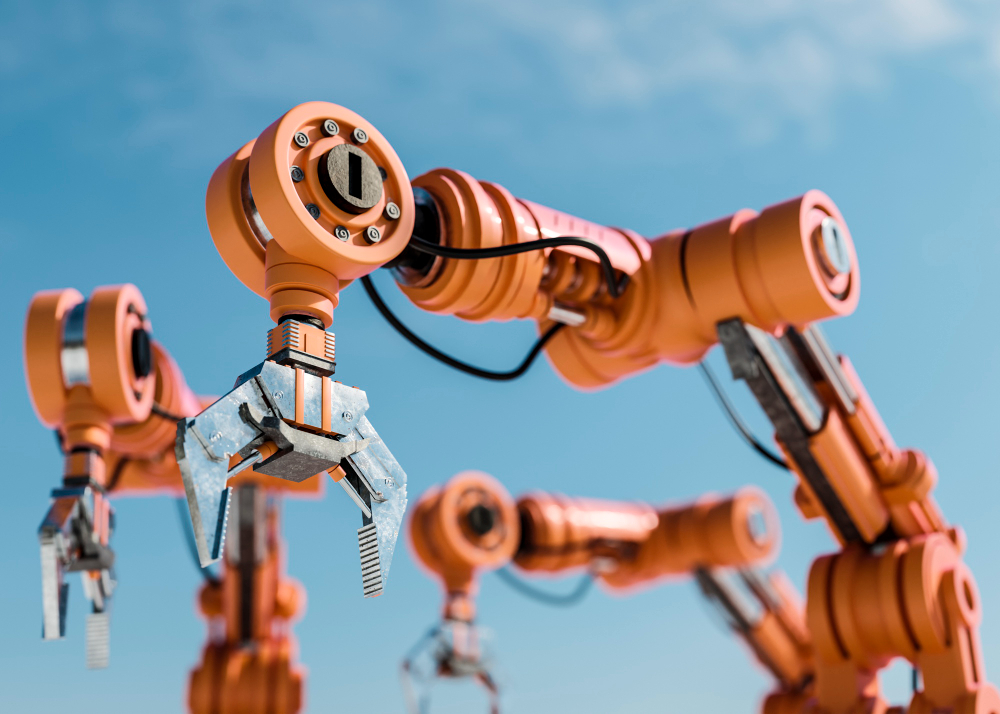
Service overview
Manufacturing automation and machine vision services help factories inspect products, reduce manual checking, improve consistency, and collect quality data during production. These services are often used when a production line needs faster inspection, more reliable defect detection, barcode checking, robot guidance, or automated measurement.
A typical setup may include industrial cameras, lenses, lighting, vision software, sensors, robot or machine integration, testing, calibration, and operator training. A suitable provider should be able to review the product sample, lighting condition, inspection target, production speed, and system support needs before recommending a solution.
Automated optical inspection guides
AOI Solution Malaysia
Understand AOI equipment, imaging, software, integration, benefits, and implementation planning.
Automated Optical Inspection Machine
Review machine components, inline and offline configurations, sample testing, and support needs.
PCB AOI Inspection
Learn how optical inspection supports component and visible assembly checks on printed circuit boards.
AOI vs Manual Visual Inspection
Compare speed, repeatability, flexibility, traceability, and the role of trained human review.
AOI Camera and Lighting System
Understand how cameras, lenses, lighting, positioning, and exposure affect defect visibility.
AOI Programming and Validation
Plan inspection recipes, representative samples, false-reject review, and production monitoring.
Other service areas
Machine vision inspection systems
Uses cameras, lenses, lighting, and software to inspect products or parts during production.
Defect detection and measurement
Supports dimensional checks, pass-fail decisions, counting, sorting, and production quality control.
Barcode and label verification
Checks printed codes, labels, packaging information, and traceability marks on production lines.
Vision-guided robot applications
Helps robots locate, pick, place, inspect, or handle products using camera-based guidance.
Production line integration and testing
Connects inspection systems with machines, sensors, conveyors, and reporting workflows.
Who usually needs this service?
- Factories that need faster or more consistent product inspection.
- Manufacturers reducing manual checking or visual inspection errors.
- Production teams that need defect detection, barcode checks, or quality data.
- Engineering teams integrating cameras, sensors, robots, or automated equipment.